EN
EN

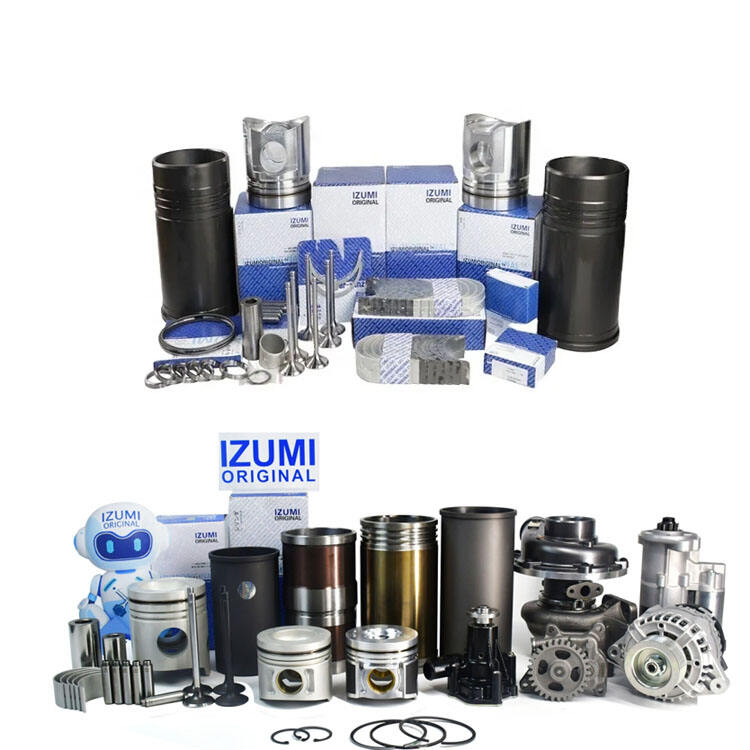
What Is a Cummins Engine Overhaul Kit and What Does It Include?
Definition and Purpose of a Cummins Engine Overhaul Kit
The Cummins engine overhaul kit comes as a set of carefully selected parts meant to bring diesel engines back to their original performance levels. When certain components start showing signs of wear after years of operation, these kits replace essential items such as worn piston rings and bearings. At the same time, they keep everything within those manufacturer specs regarding compression ratios, how hot things get inside the engine block, and what kind of workload it can handle safely. Most mechanics recommend getting an overhaul somewhere around 500k to 750k miles according to recent Cummins ReCon guidance from last year. This timing helps prevent problems like losing power when accelerating, burning through oil faster than normal, and staying compliant with increasingly strict emission regulations across different states.
Core Components: Pistons, Liners, Rings, Bearings, and Gaskets
Every overhaul kit includes seven foundational elements:
- Pistons: Cast or forged aluminum alloy units that withstand combustion pressures up to 3,000 PSI
- Cylinder Liners: Induction-hardened sleeves restoring bore diameter within 0.0005" tolerance
- Piston Rings: Three-piece sets (compression, scraper, oil control) sealing combustion gases
- Main/Rod Bearings: Tri-metal or aluminum bi-layer designs preventing crankshaft wear
- Thrust Washers: Manage axial crankshaft movement during gear engagement
- Gasket Sets: Multi-layer steel (MLS) or composite materials for leak-free sealing
- Seals: Viton® or PTFE front/rear crankshaft seals resisting oil breakdown
Comparing Major, In-Frame, and Gasket-Only Overhaul Kits
| Kit Type | Work Scope | Components Included | Typical Use Case |
|---|---|---|---|
| Major Overhaul | Full engine disassembly | Pistons, liners, bearings, full gaskets | Engines with >0.010" bore wear |
| In-Frame | Chassis-based rebuild | Pistons, liners, upper gaskets | Preventative maintenance |
| Gasket-Only | Top-end refresh | Head, valve cover, oil pan gaskets | Resolving coolant/oil leaks |
Cummins Elite Kit Features and Performance Advantages
Cummins Elite Series kits incorporate three engineering upgrades over standard rebuild kits:
- Plasma-Transferred Wire Arc (PTWA) Cylinder Liners: 62% lighter than cast iron liners while offering 400% better scuff resistance
- WPC-Treated Bearings: Micro-shot peening increases load capacity by 30% (SAE 2022 Surface Engineering Report)
- 5-Year Unlimited Mileage Warranty: Covers parts and labor when installed by certified technicians
- Emissions Compliance: Meets EPA Tier 4 Final and EURO VI standards through optimized ring designs
Elite kits demonstrate 12–15% better fuel efficiency in post-overhaul dyno tests compared to aftermarket alternatives, according to Cummins field data from 1,200 rebuilt ISX15 engines.
How to Select the Right Cummins Overhaul Kit for Your Engine Model
Using Engine Serial Number (ESN) and CPL Number for Accurate Kit Matching
First thing's first, find those important numbers on your Cummins engine. Look for the serial number (ESN) and Control Parts List (CPL) number, usually stamped somewhere on the engine block or valve cover area. These numbers basically tell who your engine really is, making sure whatever parts kit you get will actually work with what's under the hood. A recent study back in 2023 showed some pretty shocking stats too about engines failing after being worked on - around two thirds of those problems came down to people using parts that didn't match up with their specific ESN or CPL codes. So take the time to check these numbers against Cummins' official records or through their dealer websites before buying anything. Trust me, spending extra minutes now can save hundreds later when things go wrong because of mismatched components.
OEM vs. Premium Aftermarket Kits: Quality, Fit, and Long-Term Value
While OEM overhaul kits guarantee factory specifications and seamless integration, premium aftermarket alternatives can offer 15–30% cost savings without sacrificing durability. Key differences include:
| Factor | OEM Kits | Aftermarket Kits |
|---|---|---|
| Material Certification | Meets Cummins’ strict tolerances | Varies by manufacturer |
| Warranty Coverage | Up to 2 years | 6–12 months (average) |
| Component Finish | Laser-etched markings | Generic packaging |
Independent testing shows 92% of OEM kits maintain optimal compression for 500,000+ miles compared to 78% of aftermarket versions.
Ensuring Compatibility Across Cummins ISX, ISL, ISC, and Other Series
Not all overhaul kits support every Cummins series. For instance, ISX15 engines require piston crown designs that differ from ISL9 models. Verify critical parameters:
- Bore diameter (e.g., 140mm for ISX vs. 114mm for ISC)
- Connecting rod journal size
- Fuel system type (Common Rail vs. HEUI)
A 2023 survey of fleet managers revealed that 42% of compatibility issues arose from assuming cross-series interchangeability. Always confirm part numbers against your engine’s technical specifications.
Signs Your Cummins Engine Needs an Overhaul and When to Act
Common Symptoms of Engine Wear: Excessive Oil Consumption, Blow-By, and Noise
When Cummins engines start needing an overhaul, mechanics usually notice three main warning signs. First, if oil is burning through at a rate above 2 quarts for every thousand miles driven, that's pretty much always down to worn out piston rings or damaged cylinder liners. Then there's the blow-by gas situation where anything over about 60 cubic feet per minute coming out of the crankcase breather means the compression seal isn't doing its job anymore. And finally, those annoying metal sounds we all hate hearing especially when the engine is working hard? That tends to mean something serious is happening with either the bearings or parts of the valve train going bad. Looking at data from field service reports in 2023 shows something interesting too. Around four out of five engines that showed two or more of these issues ended up needing major repairs within just a year unless they got fixed sooner. Better catch these problems early before everything goes south on the road.
Recommended Overhaul Intervals Based on Operating Hours and Conditions
According to Cummins guidelines, most highway applications should plan for major overhauls around 500k to 750k miles mark, or roughly 15,000 to 20,000 hours of operation. Things get interesting when vehicles face tough conditions though. If we're talking about heavy towing, constant cold weather starts, or running through dusty terrain, those recommended intervals shrink down by about a quarter to thirty percent according to industry standards like SAE J1939. And here's something important for engines working under really harsh conditions: keep an eye on oil analysis reports. When readings show iron levels above 200 parts per million or lead content exceeding 150 ppm as measured by ASTM D6595 testing methods, it's time to bring the machine in for a thorough checkup without delay.
Overhaul vs. Engine Replacement: Cost and Reliability Considerations
Getting a proper overhaul done with Cummins engine kits usually runs between fifteen thousand to thirty grand dollars, but it brings back around ninety five to ninety eight percent of what the engine was originally capable of. That's actually quite good when looking at brand new engines which can set someone back forty five to eighty thousand plus bucks, not to mention losing those emissions certifications along the way. According to last year's Diesel Engine Repair Report, most rebuilds using parts that meet manufacturer specs last well over two hundred thousand miles about ninety percent of the time, coming pretty close to what fresh engines offer in terms of reliability. When the block and crankshaft are still in good shape, going for an overhaul just makes better financial sense than buying something completely new in the long run.
Benefits of Using a Cummins Engine Overhaul Kit for Long-Term Performance
Restoring Power, Fuel Efficiency, and Engine Responsiveness
When it comes to Cummins engines, overhaul kits tackle wear issues in those crucial parts such as pistons, cylinder liners, and bearings. These kits can bring back nearly all of what the engine originally had for performance. The 2024 Heavy Duty Powertrain Study found that when using genuine OEM kits with properly set ring-to-liner clearances, fuel economy improves around 12 percent over just replacing worn parts individually. Mechanics working on these engines often notice quicker throttle response times too. What's more, exhaust temps drop between 8 and 15 degrees Fahrenheit following a good rebuild job. This means real money savings over time since the engine runs cleaner and cooler while still pulling its weight.
Cost Savings vs. Purchasing Individual Replacement Parts
| Factor | Overhaul Kit Cost | Individual Parts Cost |
|---|---|---|
| Core Components | $2,800–$4,200 | $3,900–$5,500 |
| Downtime (Labor Hours) | 18–24 | 28–35 |
| Warranty Coverage | 12-Month Full System | 90-Day Part-Specific |
Kits eliminate mismatched components and reduce labor expenses by consolidating gaskets, seals, and hardware into a single SKU.
Reliability and Warranty Advantages of Cummins ReCon® and Elite Kits
Cummins ReCon® kits undergo 87-point quality inspections and include a 12-month/unlimited-mileage warranty, compared to 3–6 months for most aftermarket alternatives. The Elite Series adds plasma-coated rings and nitrided crankshafts validated for 750,000+ mile service life in fleet trials–critical for operations prioritizing minimal unscheduled maintenance.
Aftermarket vs. OEM: Evaluating Quality and Risk in Overhaul Kits
While third-party kits cost 20–35% less upfront, independent testing reveals 42% higher failure rates in aftermarket liners and bearings within 50,000 miles. OEM-certified rebuilds using Cummins engine overhaul kits meet 19 critical ASTM and SAE material specifications, ensuring compatibility with modern emissions systems like SCR and DPF.
FAQ Section
What is a Cummins engine overhaul kit?
A Cummins engine overhaul kit is a collection of parts needed to restore diesel engines to their original performance levels by replacing worn components like piston rings and bearings.
When should I consider getting an overhaul?
Most mechanics suggest an overhaul around the 500k to 750k mile mark to prevent power loss, excessive oil consumption, and to remain compliant with emission standards.
What are the key components of an overhaul kit?
Key components include pistons, cylinder liners, piston rings, main/rod bearings, thrust washers, gasket sets, and seals.
How do I select the right overhaul kit for my engine model?
Use your engine’s ESN and CPL number to ensure compatibility with parts and avoid mismatch issues.
What's the difference between OEM and aftermarket kits?
OEM kits meet factory specs and offer longer warranties while aftermarket kits provide cost savings but vary in quality and durability.
What are the signs my Cummins engine needs an overhaul?
Signs include excessive oil consumption, blow-by, and noise from the engine, indicating serious component wear.
What are the benefits of using Cummins engine overhaul kits?
Benefits include restoring engine performance, improving fuel economy, reducing labor costs, and ensuring reliability.
Table of Contents
- What Is a Cummins Engine Overhaul Kit and What Does It Include?
- How to Select the Right Cummins Overhaul Kit for Your Engine Model
- Signs Your Cummins Engine Needs an Overhaul and When to Act
- Benefits of Using a Cummins Engine Overhaul Kit for Long-Term Performance
-
FAQ Section
- What is a Cummins engine overhaul kit?
- When should I consider getting an overhaul?
- What are the key components of an overhaul kit?
- How do I select the right overhaul kit for my engine model?
- What's the difference between OEM and aftermarket kits?
- What are the signs my Cummins engine needs an overhaul?
- What are the benefits of using Cummins engine overhaul kits?