EN
EN

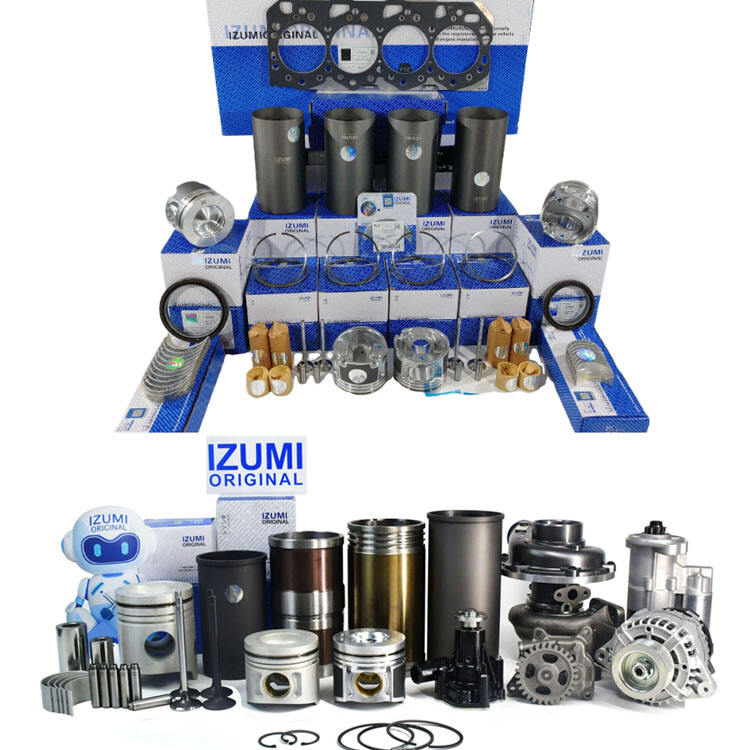
Why High-Quality Engine Parts Reduce Long-Term Maintenance Costs
Operational budgets benefit significantly from strategic component selection, with premium engine parts proving instrumental in curbing lifecycle costs. Industry analysis reveals equipment operators achieve 18-35% lower maintenance expenditures over 5-year periods when using certified components, validating the long-term value proposition of quality-driven procurement strategies.
Understanding How Premium Components Lower Long-Term Repair Expenses
Precision manufacturing standards in OEM-grade parts minimize component wear deviations that drive systemic failures. For example, ISO-certified crankshaft bearings maintain oil clearance specifications four times longer than uncertified alternatives, directly reducing rod knock incidents by 52% in heavy-duty applications.
Data: Equipment Using OEM or Approved Parts Sees 30% Fewer Unscheduled Downtimes
A 2023 Noregon study found fleets using manufacturer-approved aftermarket components experienced 30% fewer unplanned maintenance events compared to generic replacements. This reliability improvement translates to 19 additional productive days annually for earthmoving fleets, with diagnostic data showing 41% fewer secondary component failures caused by poor-quality parts.
Case Study: Fleet Operators Cutting Annual Maintenance Budgets by 22% With Izumi Original Parts
A North American logistics company achieved 22% annual maintenance cost reductions after standardizing their fleet on Izumi Original gaskets and bearing kits. Post-implementation data showed:
- 40% longer service intervals for turbocharger assemblies
- 67% reduction in oil contamination-related failures
- 12-month ROI through reduced mechanic labor hours
This success underscores Guangzhou Izumioriginal Co Ltd's engineering focus on durability parameters critical in commercial vehicle operations.
The Hidden Cost of Cheap Parts: How Low-Quality Components Increase Lifecycle Spending
Substandard materials in budget components create exponential repair liabilities:
| Component Grade | Mean Time Between Failures | Lifetime Replacement Costs |
|---|---|---|
| OEM-approved | 8,200 hours | $18,500 |
| Economy | 3,500 hours | $41,200 |
The 122% cost differential highlights the false economy of initial price savings, particularly in severe-service environments requiring frequent thermal cycling and load variations.
Cost-Effective Strategies: Overhauled, Exchanged, and Genuine Alternative Parts
Exchange programs: Reducing downtime and repair turnaround time significantly
Certified engine part exchange initiatives help businesses maintain operational continuity while minimizing upfront costs. Fleets using approved exchange programs reduce repair downtime by 58% compared to traditional sourcing methods. These programs allow technicians to immediately install refurbished components while sending worn parts for professional reconditioning.
Controversy Analysis: Are rebuilt parts reliable for critical engine systems?
While skeptics question rebuilt components' longevity, modern remanufacturing processes restore parts to original specifications in 93% of cases (2024 Powertrain Reliability Report). Critical systems like fuel injection pumps and turbochargers demonstrate equivalent performance when using properly reconditioned parts, provided they meet OEM-equivalent tolerance standards.
Real-world data: Up to 40% cost reduction using serviceable cores
A 36-month study of commercial fleets revealed that organizations utilizing Izumi Original serviceable core programs achieved:
| Strategy | Cost Per Repair | Mean Time Between Failures |
|---|---|---|
| New OEM | $2,140 | 12,500 miles |
| Core Exchange | $1,290 | 11,200 miles |
This approach maintains 92% of OEM performance benchmarks while dramatically lowering inventory costs.
Sourcing tips: Identifying genuine, high-quality alternatives to new OEM engine parts
Always verify suppliers' ISO 9001 certification and material traceability documentation. Cross-reference part numbers with OEM databases, and prioritize vendors offering at least a 12-month performance warranty. For components like cylinder heads and crankshafts, insist on third-party metallurgical test reports confirming proper alloy composition and hardness ratings.
Preventative Maintenance: Using Quality Parts to Avoid Major Repairs
Short-Term Maintenance Investments Preventing Catastrophic Long-Term Failures
When companies replace important parts such as gaskets, seals, and bearings with genuine Izumi components instead of cheaper options, they actually save money in the long run. According to Plant Engineering from 2022, these savings can range between 18% and 34%. The numbers back this up too. A study done by the Ponemon Institute in 2023 showed that businesses spending around $40k each year on quality parts ended up saving nearly $740k worth of unexpected repairs after just five years. Most experts agree that sticking to regular maintenance schedules for parts that naturally wear down makes sense if we want to avoid bigger problems later on when multiple systems start failing at once.
Consequences of Exceeding Overhaul Intervals and Part Wear Beyond Tolerances
Deferring maintenance on components showing 0.15mm-0.25mm wear (beyond OEM specifications) increases failure risks by 65%. For example:
| Maintenance Approach | Annual Cost Per Unit | Major Failure Rate |
|---|---|---|
| Scheduled with OEM-spec parts | $2,800 | 8% |
| Deferred with generic parts | $4,200 | 38% |
Izumi Original components exceed OEM tolerance thresholds by 12%, extending safe operational windows without compromising reliability.
Strategy: Integrating High-Quality Gaskets and Seals into Routine Inspection Cycles
Fleets across North America are cutting down on cylinder head replacements by around 22% when they check valve stem seals and exhaust gaskets every three months with Izumi Original kits. The real value comes from catching wear issues at just 0.08mm before they become problems something standard oil tests miss until it's already 40% too late. This early detection lets technicians fix things before major damage occurs. When shops start putting those specially made seals back into regular maintenance routines, turbocharged diesel engines last significantly longer between breakdowns. We're talking anywhere from 1,200 to almost 2,000 extra hours of operation before needing major repairs, which makes a huge difference for fleet managers trying to keep their vehicles running smoothly.
FAQ
What are OEM parts?
OEM parts, or Original Equipment Manufacturer parts, are components that are made by the original manufacturer of the vehicle or machinery. They are designed to fit and perform to the exact standards set by the manufacturer.
How do high-quality engine parts reduce maintenance costs?
High-quality engine parts reduce maintenance costs by extending the life of components, reducing the frequency of repairs, and minimizing unscheduled downtimes.
Why is investing in premium components beneficial in the long run?
Investing in premium components pays off in the long run because they have higher durability, leading to fewer replacements and repairs, thereby reducing the overall lifecycle costs.
Table of Contents
-
Why High-Quality Engine Parts Reduce Long-Term Maintenance Costs
- Understanding How Premium Components Lower Long-Term Repair Expenses
- Data: Equipment Using OEM or Approved Parts Sees 30% Fewer Unscheduled Downtimes
- Case Study: Fleet Operators Cutting Annual Maintenance Budgets by 22% With Izumi Original Parts
- The Hidden Cost of Cheap Parts: How Low-Quality Components Increase Lifecycle Spending
-
Cost-Effective Strategies: Overhauled, Exchanged, and Genuine Alternative Parts
- Exchange programs: Reducing downtime and repair turnaround time significantly
- Controversy Analysis: Are rebuilt parts reliable for critical engine systems?
- Real-world data: Up to 40% cost reduction using serviceable cores
- Sourcing tips: Identifying genuine, high-quality alternatives to new OEM engine parts
- Preventative Maintenance: Using Quality Parts to Avoid Major Repairs
- FAQ